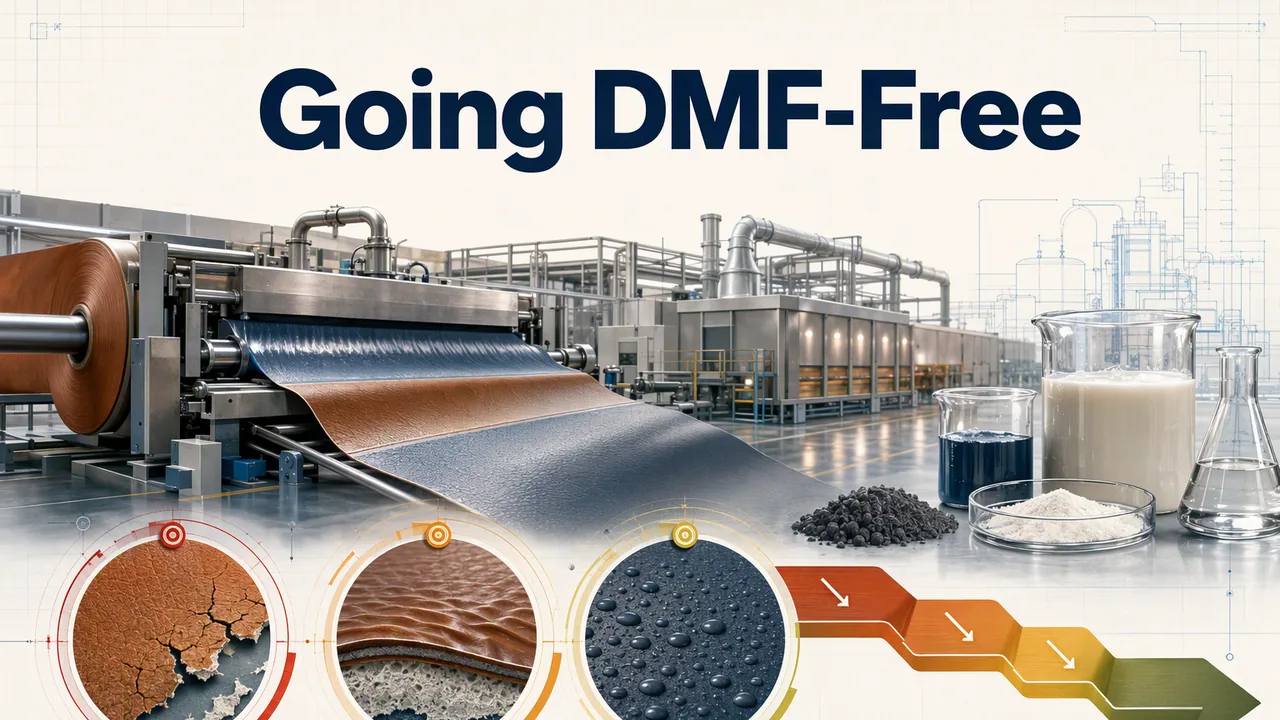
Going DMF-Free: A Waterborne Synthetic Leather Transition
Switching a synthetic leather line off DMF? What changes in forming, drying and hand feel, which grades survive the move, and where waterborne still loses.
Hands-on guidance for formulators — rheology, adhesion, film properties and grade selection in waterborne systems.
Switching a synthetic leather line off DMF? What changes in forming, drying and hand feel, which grades survive the move, and where waterborne still loses.
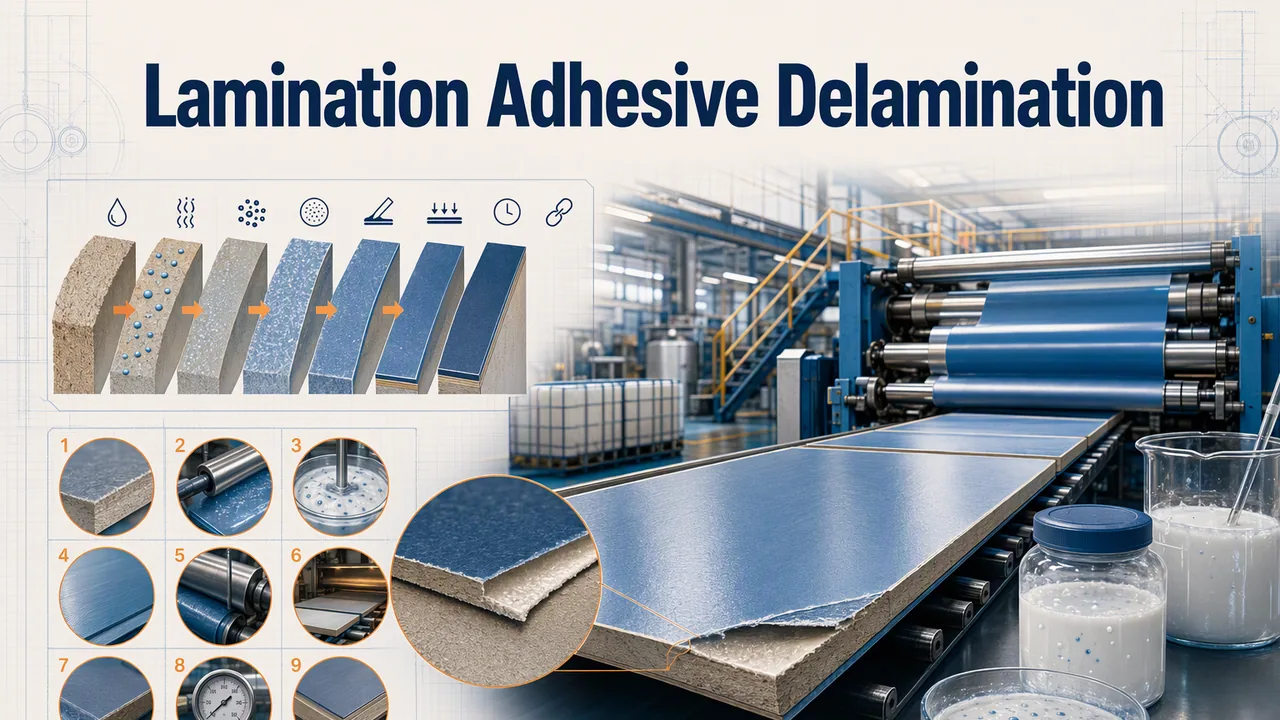
Waterborne lamination adhesive delamination starts on the line, not in the resin. Nine parameters we check in order, plus the peel test that predicts it.
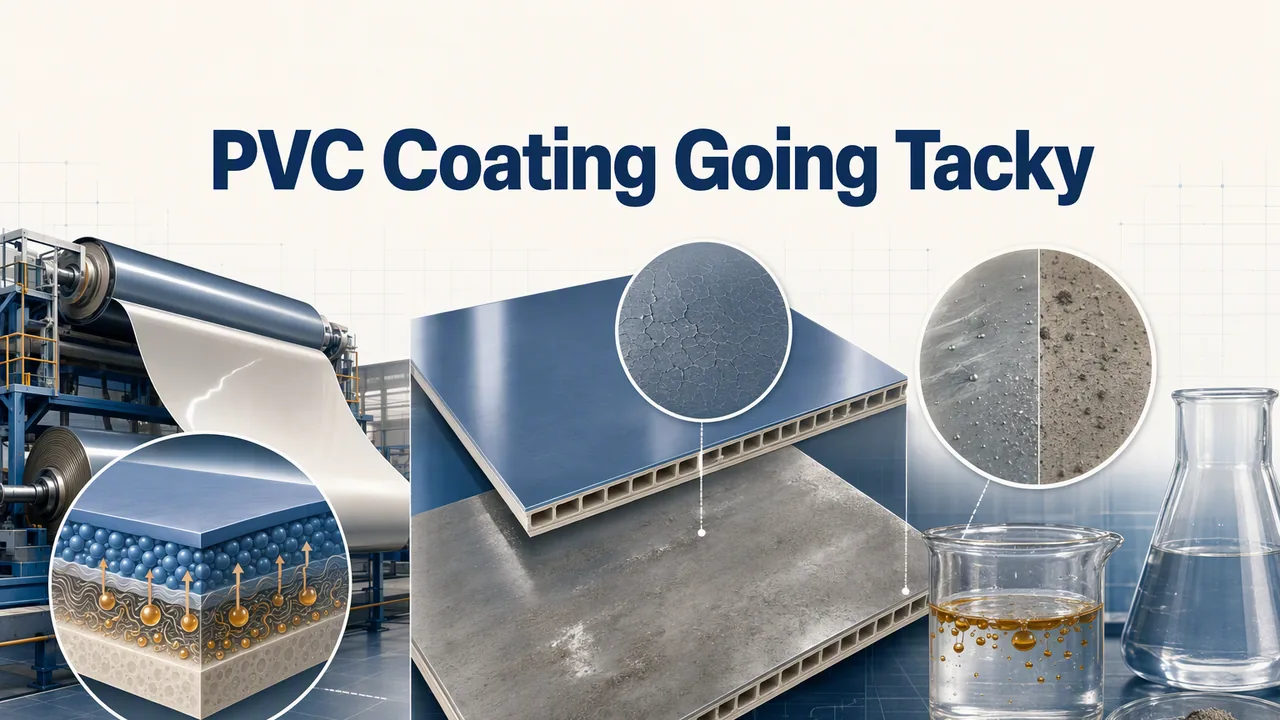
Coated PVC film comes back tacky and grey with dust weeks later. That is plasticizer migration; here is what resists it and which topcoat grades hold up.
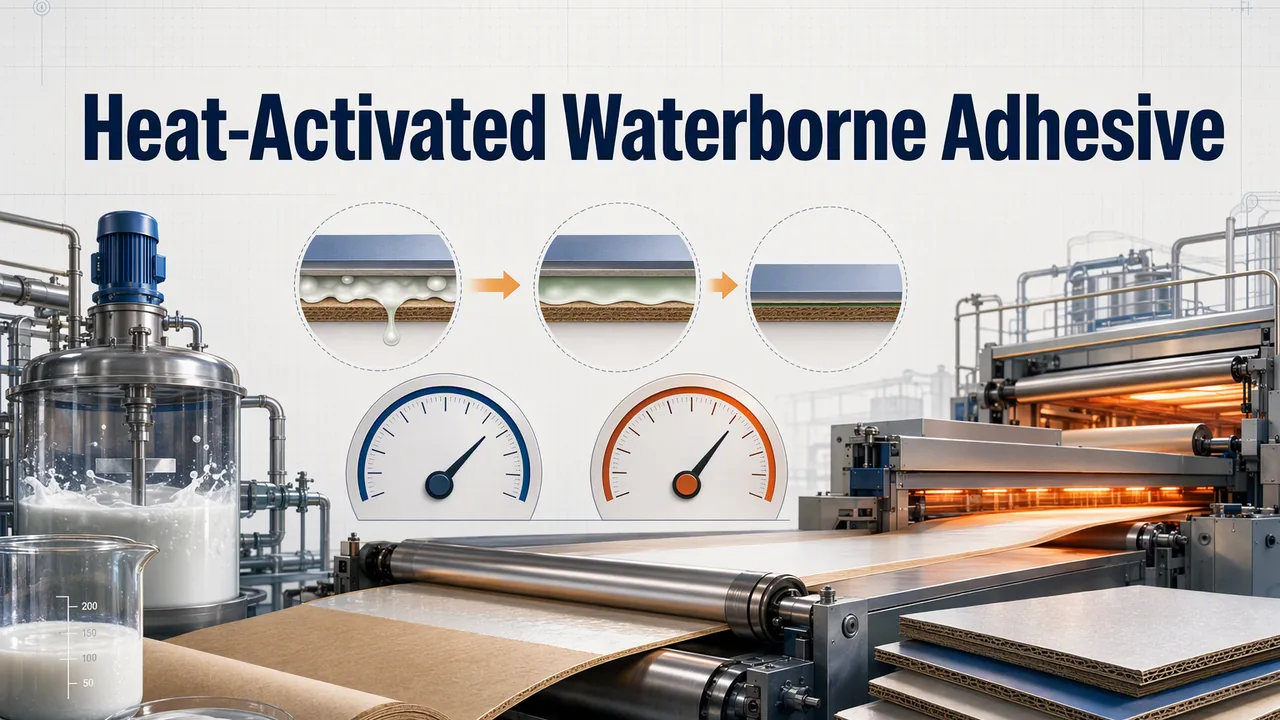
Moving a lasting line to waterborne heat-activated adhesive? Green tack and activation dwell decide most of the result, and here is how to tune both.
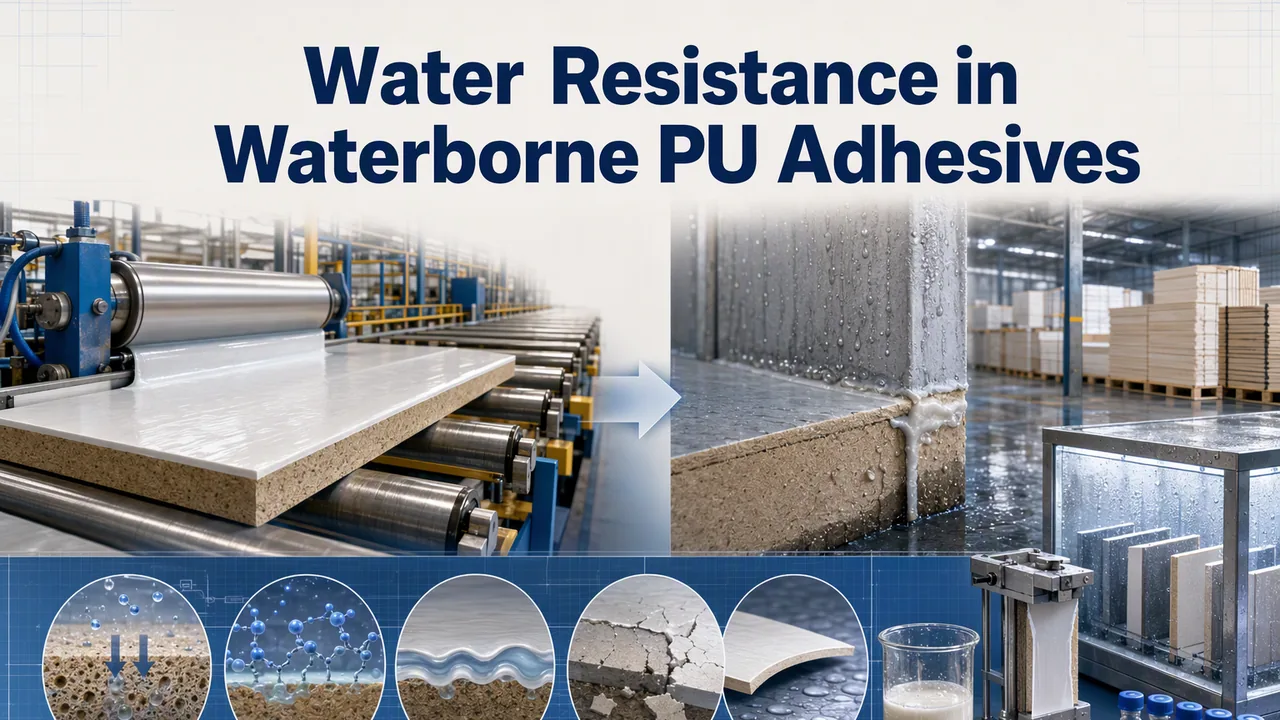
A waterborne PU adhesive that passes on the line can open in a humid warehouse. Five causes of wet-bond failure, how we test, and which grades hold up.
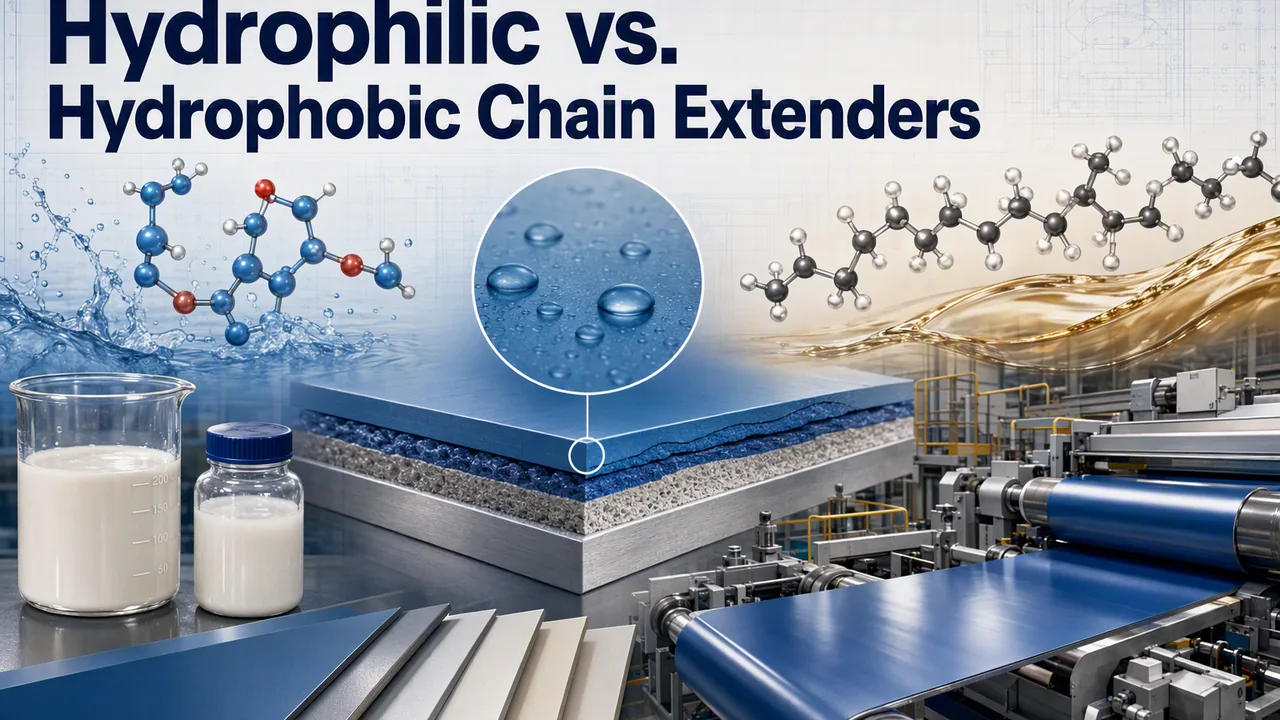
Hydrophilic vs. hydrophobic chain extenders set a PUD film's water uptake. How we size DMPA loading, and the five changes to try first.
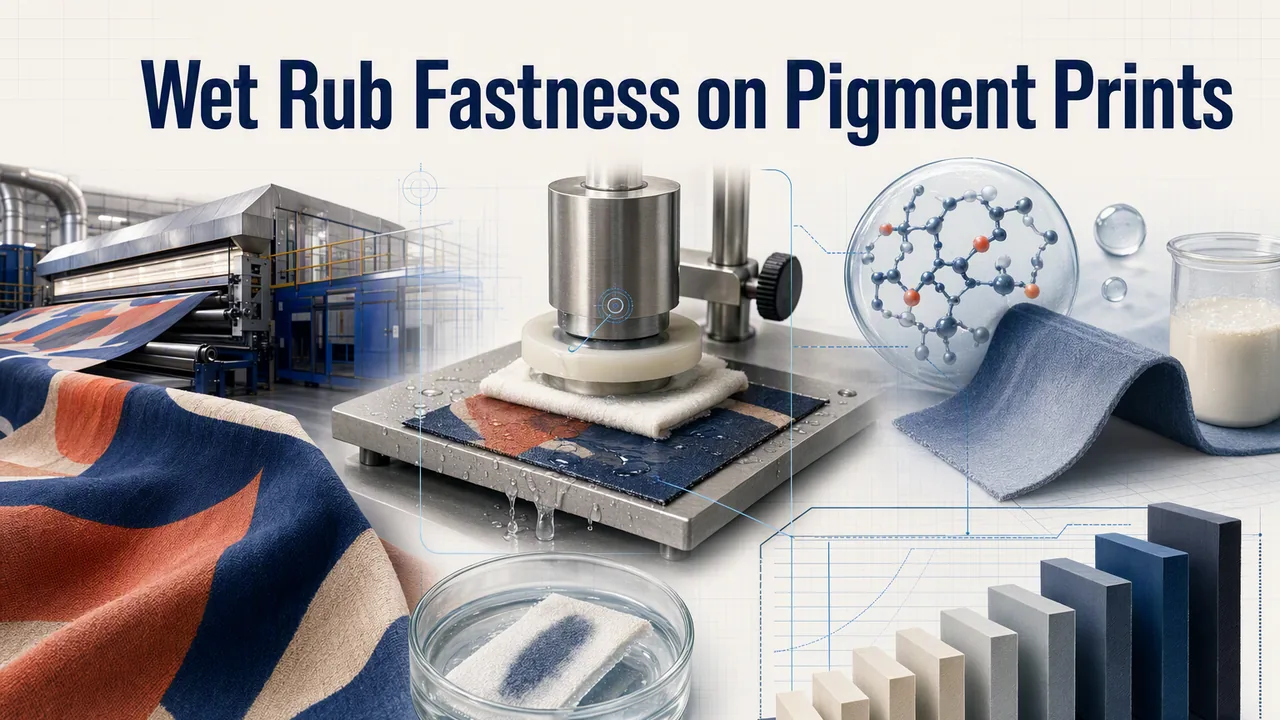
Wet rub fastness on pigment prints fails for a different reason than dry crocking. The binder levers we pull first, and what each one costs.
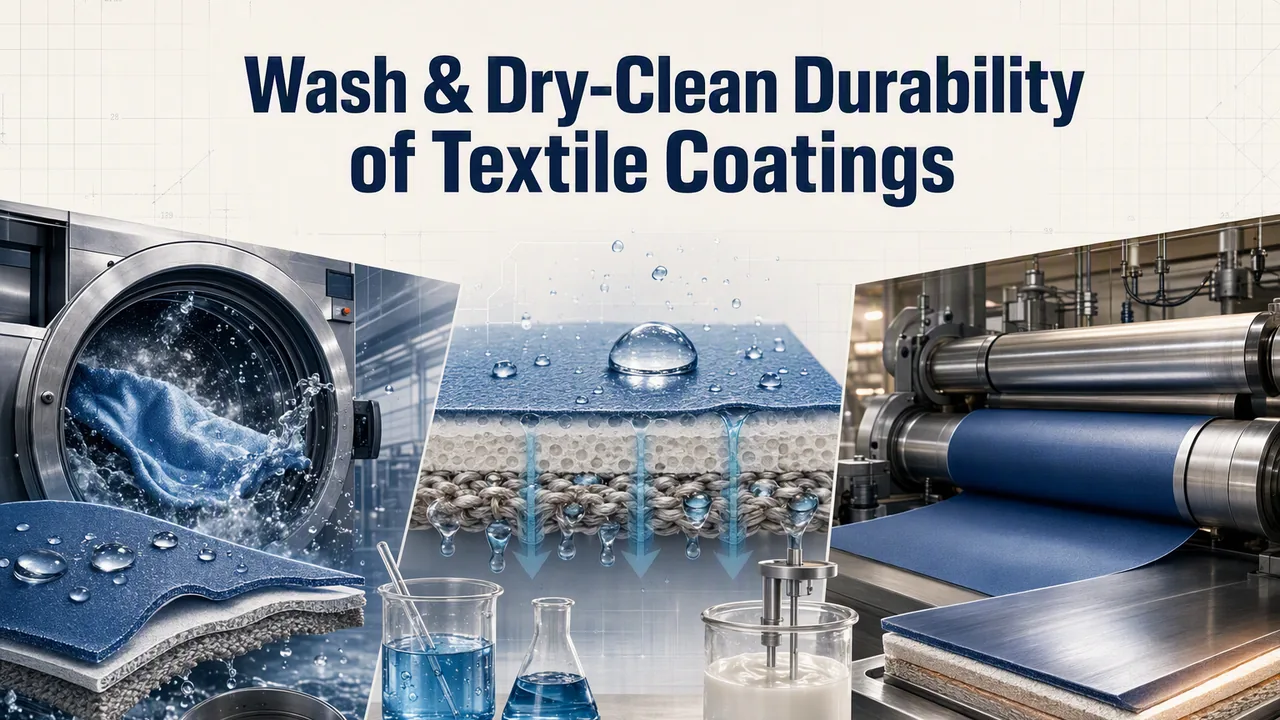
Wash and dry-clean durability of textile coatings is not one number on a binder sheet. The four levers we pull first, and the TDS to check them against.
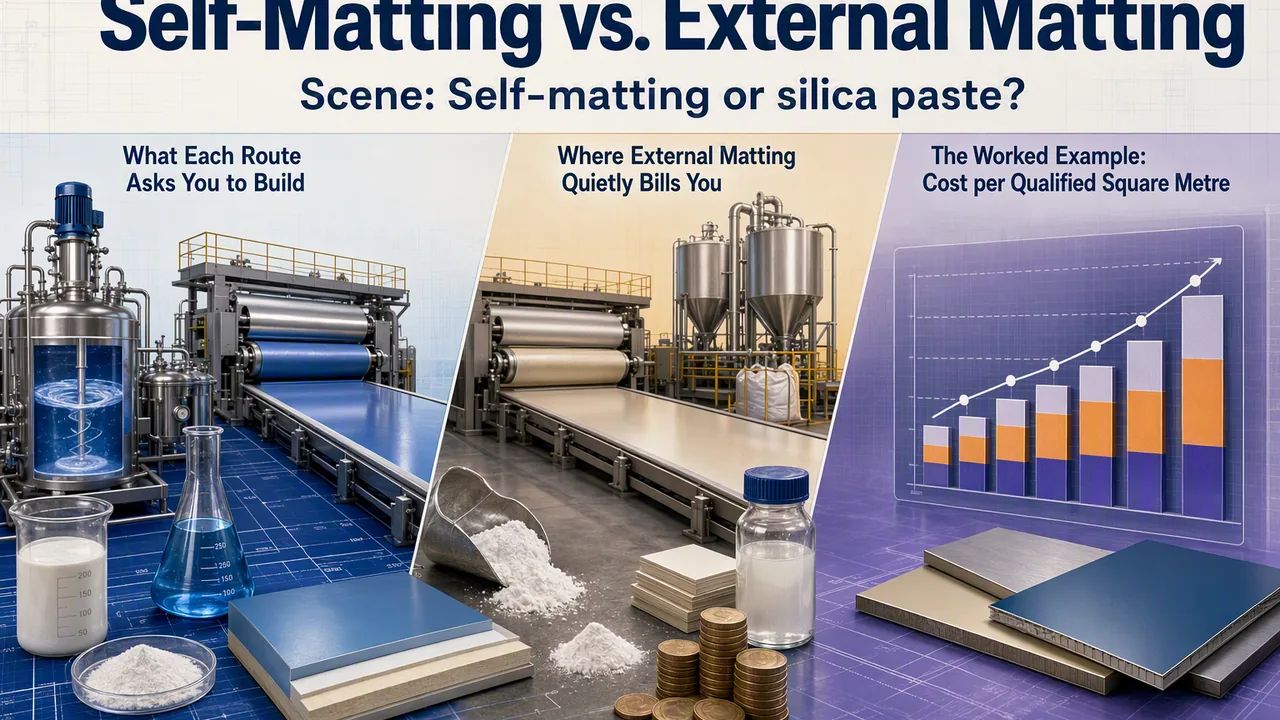
Self-matting or silica paste? We cost both routes for leather topcoats line by line: material, dispersion, defects, returns. Then the honest limits.
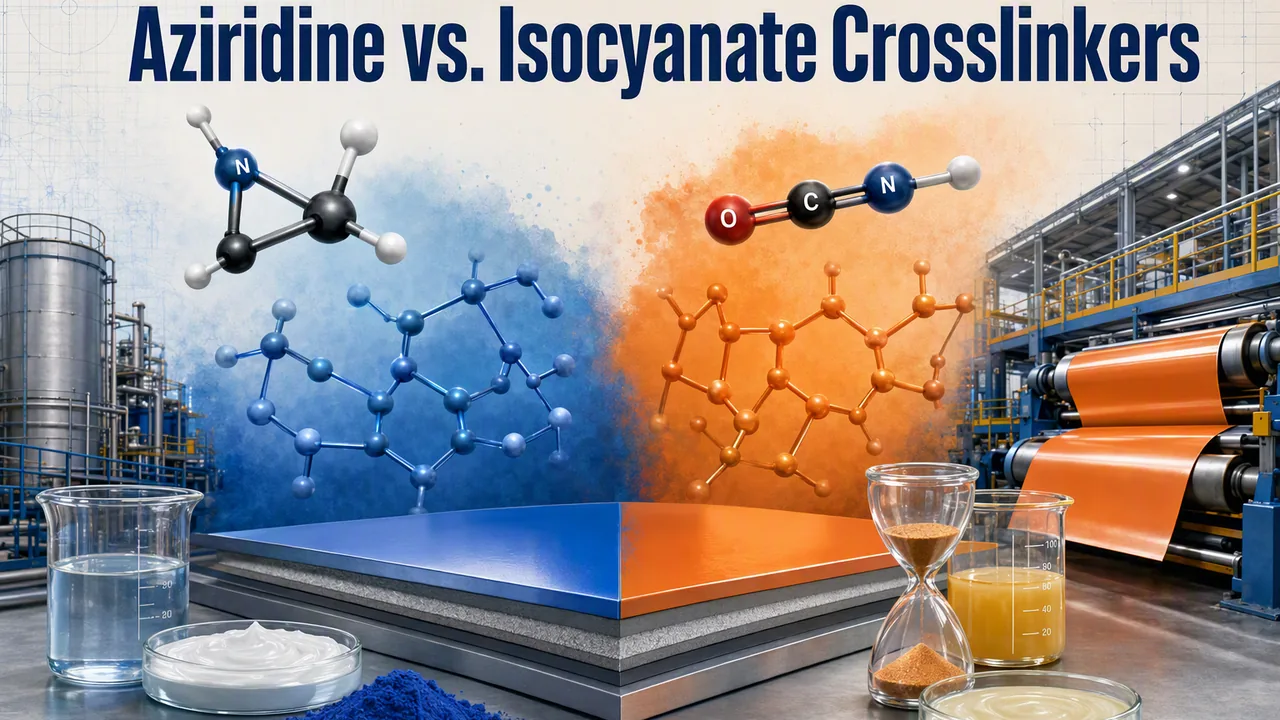
Aziridine vs. isocyanate crosslinkers for waterborne coatings: reactivity, pot life and safety, plus a non-sensitizing carbodiimide option.
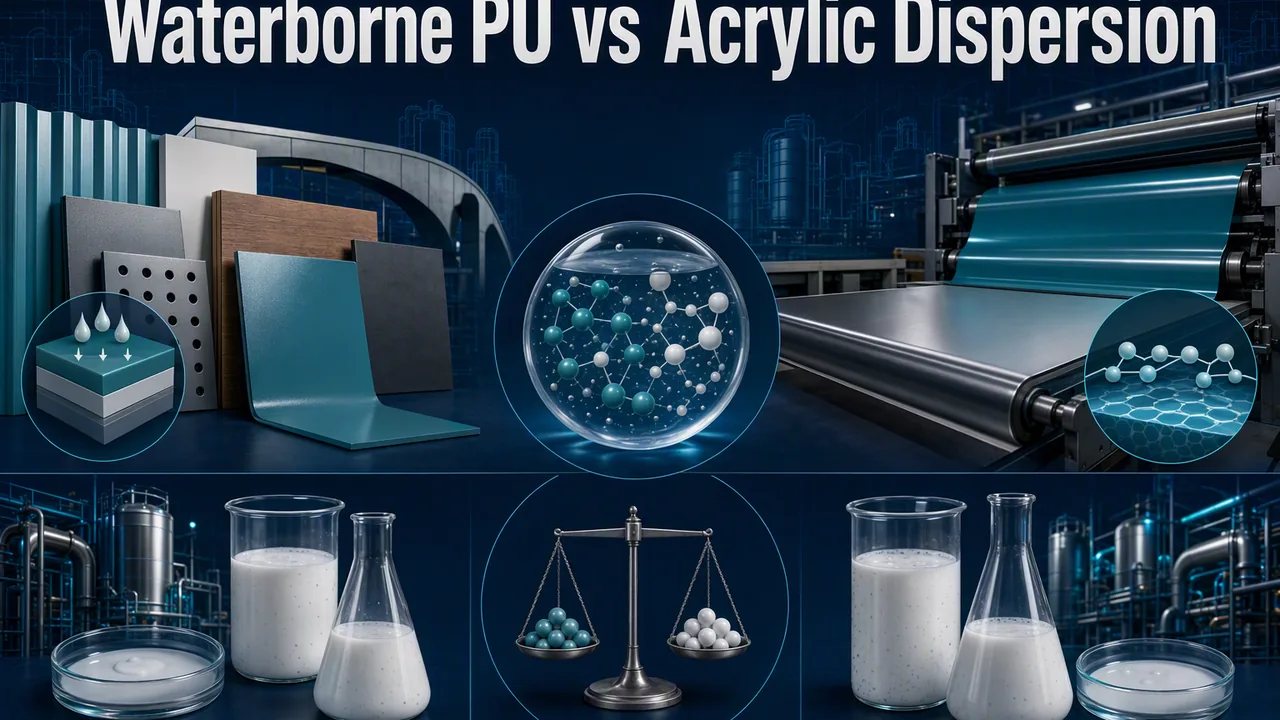
Waterborne PUD or acrylic dispersion? Compare hardness, abrasion, cost and pigment loading to pick the right binder.
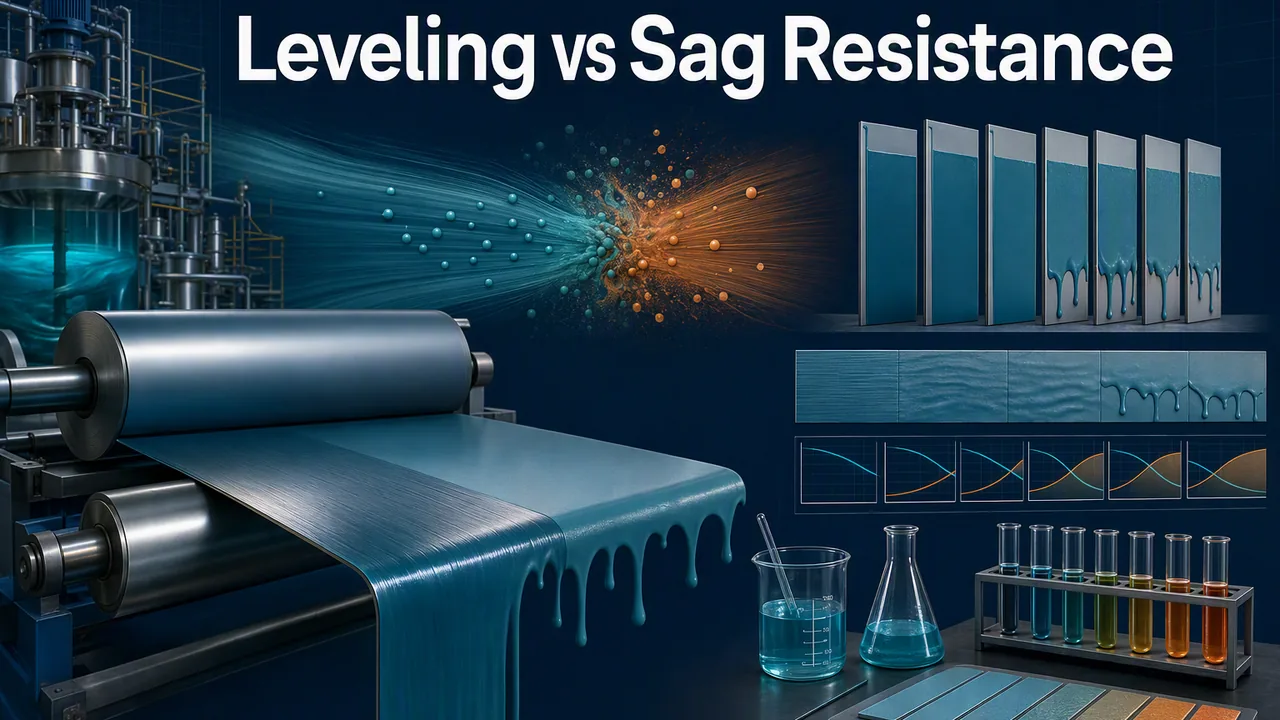
Leveling and sag resistance fight in the same shear band. Shear-rate targets, a one-day ladder study and HEUR grade pairings for waterborne systems.

Viscosity loss in storage points to pH drift, enzymes or temperature, not a dead thickener. The four-can test that names the cause.

Cold-stack blocking and winter tack in waterborne wood coatings trace to five habits. Fix flash-off, coalescent load and packing timing, with the grades that help.
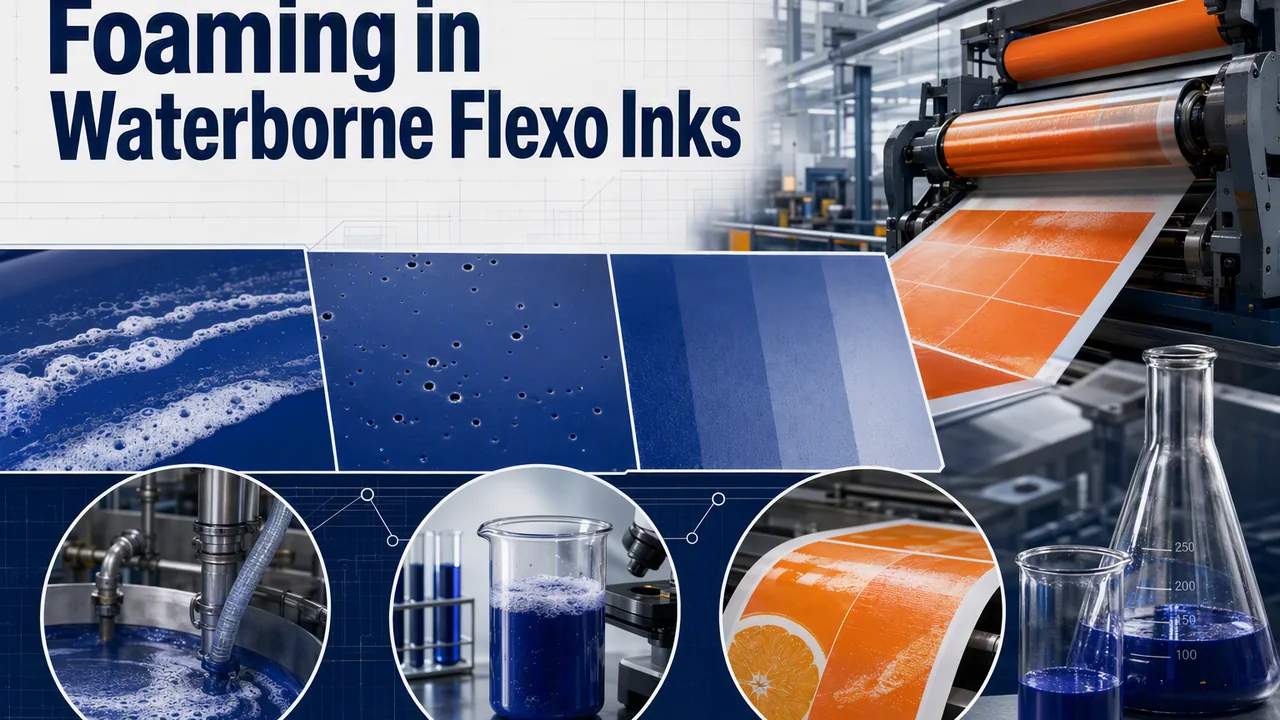
Foam streaks, pinholes and density drift in waterborne flexo inks rarely need more defoamer. Where the air comes from and the rheology fix that works.
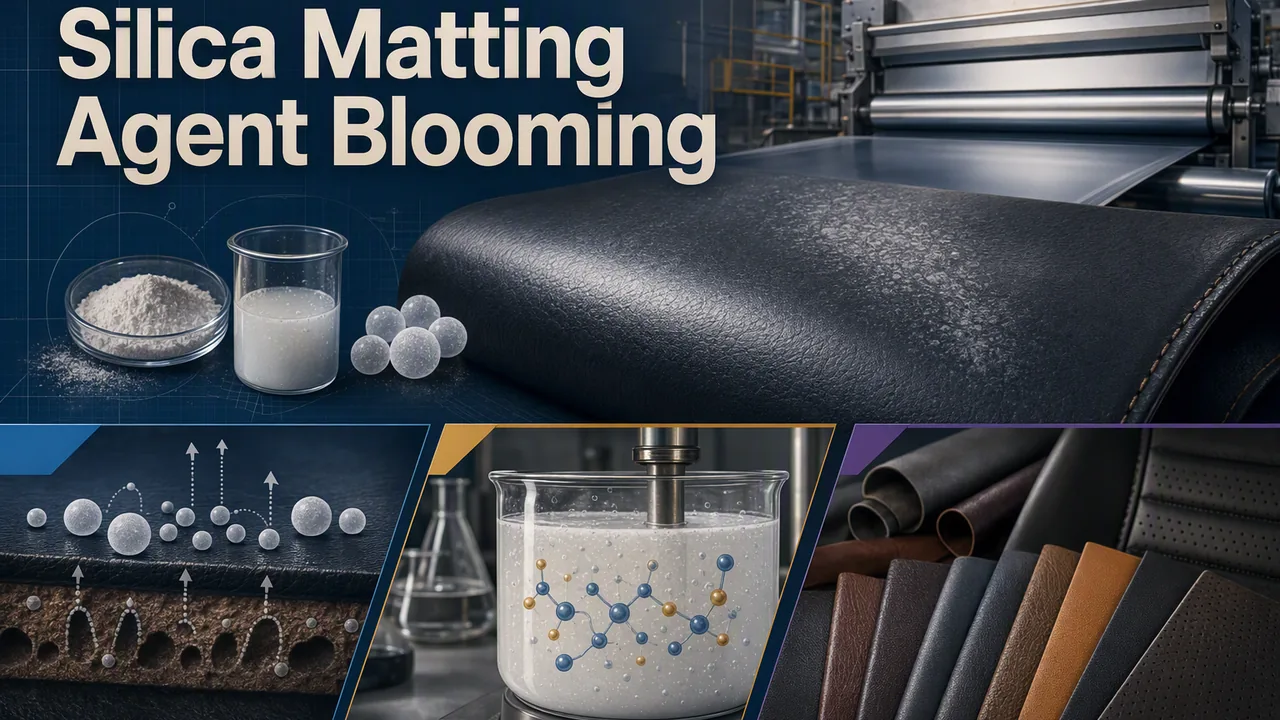
Silica matting agent blooming ruins dark leather finishes. See how self-matting waterborne PU grades X51, X65 and X06 fix it.

A waterborne PU film lifting off wood in one sheet is almost never luck. Seven root causes, an ASTM tape test, and the primer, topcoat and hardener that fix each.

HEUR, HASE and cellulosic thickeners each behave differently. A practical guide to building the rheology profile your application needs — with formulation examples.
Follow our latest developments or reach out for technical guidance.