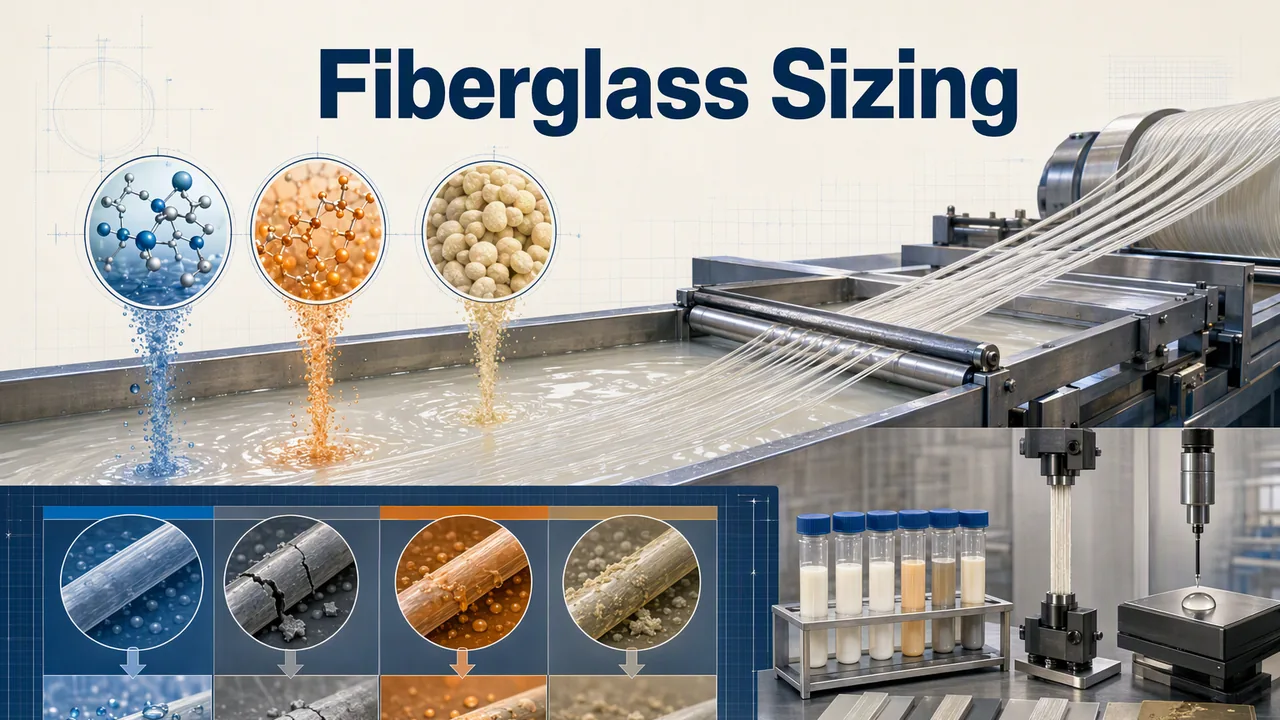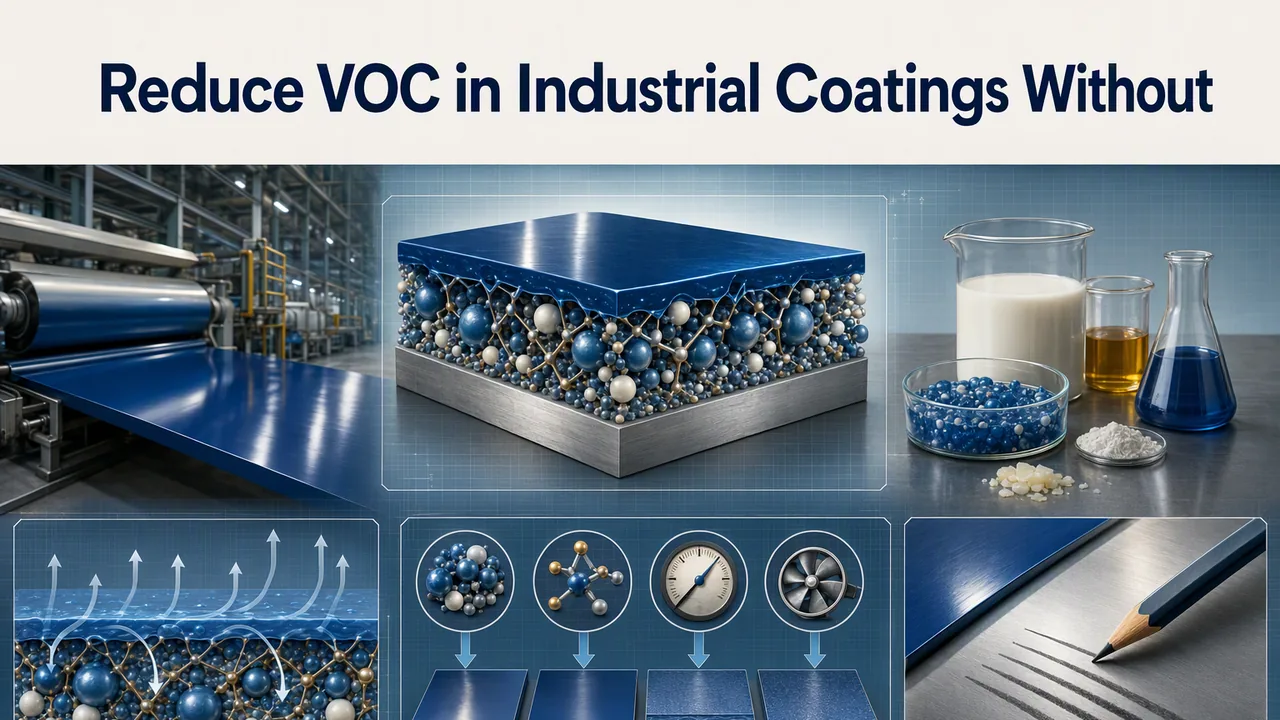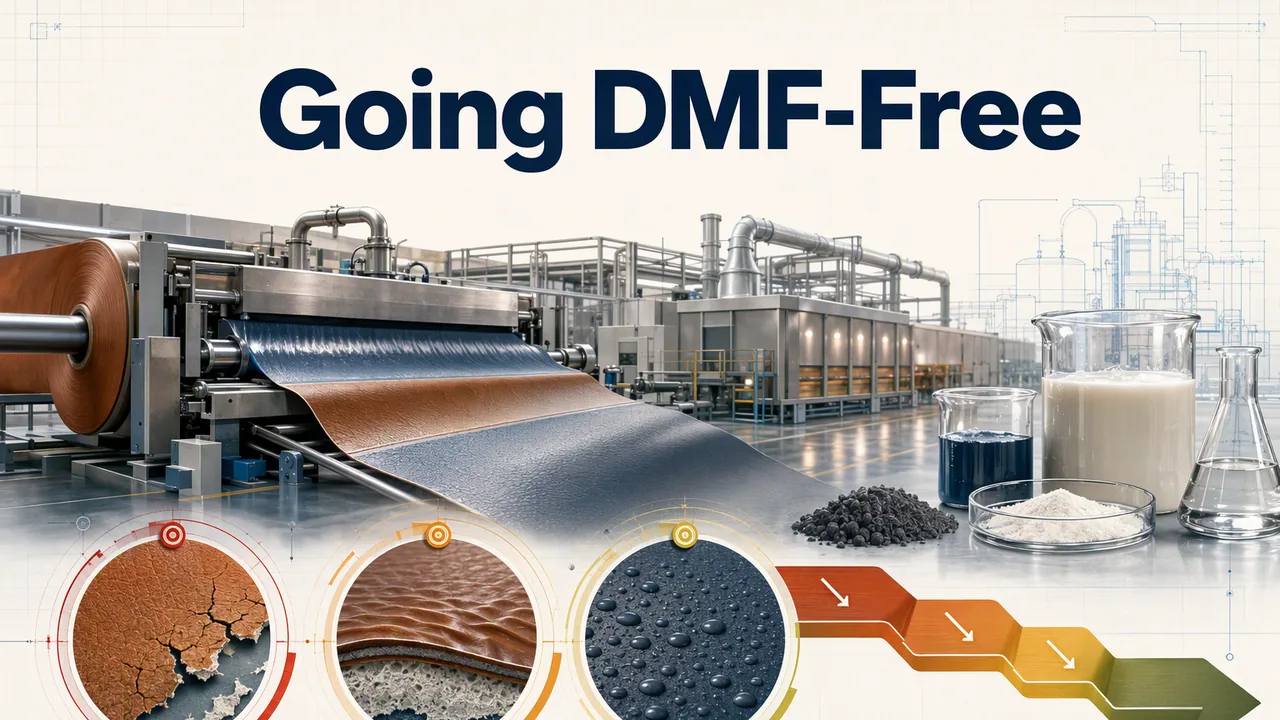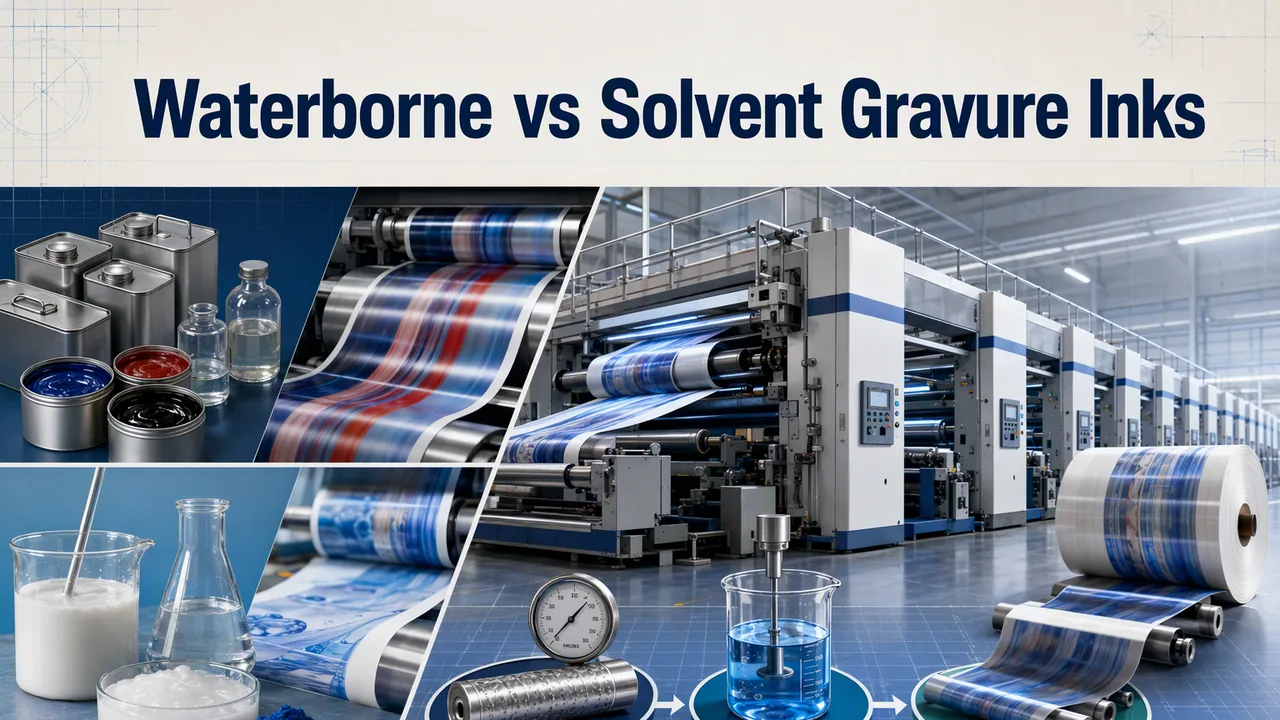
The gravure line we helped convert last winter had been printing solvent-based on OPP at a comfortable 220 m/min for years. The VOC permit came due, the plant bought a bucket of waterborne gravure ink, and the first trial limped along at 90 m/min with visible mottle, before anyone even reached for the tape, at which point the tape took the pattern clean off the film. Two failures from one decision: the shop had treated the switch as an ink purchase. Solvent gravure had been quietly buying two things the invoice never itemised, a set rate and a foothold in the film surface, and a waterborne system has to be taught both jobs from scratch.
What the solvent was buying on a gravure line
Anchoring is the part nobody expects to lose. A solvent-borne gravure ink does not merely sit on polyolefin film; it attacks the surface while it dries, softening the top few microns so the resin interdiffuses with the substrate. When the solvent flashes off, the ink is welded into the film, which is why an old solvent line forgives a mediocre corona treatment.
Water attacks nothing. On BOPP, PET or nylon, a waterborne ink can only grip whatever surface energy the pretreatment left behind, which turns anchoring into two separate problems: how well the film arrives at the unwind, and how wettable your resin actually is. We will come back to the film, because it is where most failed trials really died.
Speed is the other quiet purchase. Solvent flashes; water does not. The latent heat of vaporisation of water is around five times that of the esters and ketones in a conventional gravure ink, gram for gram, so drying the same deposit demands several times the energy through interdecks that were sized for ethyl acetate. The dryer, not the anilox-equivalent cell volume, sets your metres per minute after a conversion.
Line speed: what actually decides your metres per minute
Four things, roughly in the order of what they cost to change.
- Ink viscosity, kept low by design. Gravure tolerates a narrow band, and the binder should sit inside it without a thickener crutch. YT-301 and YT-7012 both ship at 50 – 200 mPa·s, which lets a mill base be ground at working solids and thinned, not built, up to printing consistency.
- Dryer economy. Raise interdeck temperature in steps (we usually start 10–15 °C above the solvent setpoints and walk it back once the film stops curling), confirm air volume before you blame the ink, and shorten the wet path between the last deck and the chill roll.
- Deposit discipline. Check the dry film is what the cylinder was cut for. Waterborne vehicle runs less resin per unit volume than most shops assume, so a deeper cell or slower line is often just the drying bill arriving early.
- A small polarity bridge, if the permit leaves room. 5–10% of a medium-polarity co-solvent buys real flash rate on a humid week. It also spends VOC budget that is often the whole point of the conversion, so we treat it as a commissioning aid with an exit date, not a fixture.
Anchoring: three variables, in test order
Test in this order and you will find the culprit in an afternoon instead of a quarter.
First, the film. Measure dyne level at the unwind, not from the supplier's certificate, and measure it on the oldest roll in the shed. Corona treatment decays with time and heat: film that leaves the treater at 42 mN/m can sit in a hot warehouse for six weeks and arrive at the press at 34, which is below where any waterborne ink grips. Rotation against stock age, or a primer station, fixes more “ink failures” than any resin swap.
Second, the resin. Once the surface is honest, wetting is what separates a pass from a rub-off, and low surface tension chemistry earns its place: YT-613, a silicone-modified aliphatic dispersion, is our dedicated grade for grip on PVC and PET while holding a smooth, high-gloss, light-fast film. On paper substrates, the aromatic YT-301 delivers the gloss and extensibility directly, and the cationic YT-7012 takes the flex-resistance job on the layers that fold.
Third, the finish. If the print goes on to be laminated or boiled, anchoring is judged after the structure is made, not before: alcohol and ester wipe resistance decide whether the pattern survives the adhesive. That is where the polycarbonate-type YT-5140 (40 ± 1% solids, 50+ wipes of alcohol rub) earns its cost over a standard grade.
| Grade | Chemistry | Solids | Viscosity (25 °C unless noted) | Job on the line |
|---|---|---|---|---|
| YT-301 | Anionic aromatic PUD | 35 ± 2% | 50 – 200 mPa·s | High-gloss body binder, paper and board gravure |
| YT-613 (TDS) | Silicone-modified aliphatic PUD | 35 ± 1% | ≤ 300 mPa·s (30 °C) | Wetting and anchoring on PVC and PET films |
| YT-7012 | Cationic aliphatic PUD | 30 ± 2% | 50 – 200 mPa·s | Flexible overprint layers, anti-yellowing |
| YT-5140 | Polycarbonate-based PUD | 40 ± 1% | ≤ 1,000 mPa·s (30 °C) | Alcohol- and ester-resistant prints for lamination |
Score it the way the converter downstream will: cross-cut adhesion per ASTM D3359 on the printed web, then peel strength per ASTM D1876 after laminating and full cure, followed by a 30-minute boil if the bag is retorted. A pattern that passes the cross-cut and fails the peel after lamination is a cure-state problem, not an anchoring problem, and the fix is the finish variable above, not a new press.
Where waterborne gravure still loses
Be honest about the envelope before you sell the conversion upstairs. On unprimed BOPP, full-solid black at high line speed still looks wetter and rubs sooner than the solvent equivalent; we get there with a primer station or a slower first deck, not with resin alone. Above roughly 250 m/min the interdeck heat bill stops being a tuning exercise and becomes a capital project. And no chemistry forgives a humid week on a dryer with a plugged filter, because the one thing water cannot rush is evaporation.
The full systems view (rheology, foaming and defoamer choice on the flexo side) sits in our guide to controlling foam in waterborne flexo inks, and the grades above all belong to our waterborne polyurethane range for coatings and printing. If you want the comparison run properly, the waterborne ink application page lists the substrates we pre-test against.
Send us your current line speed, substrate and pretreatment age, and ask our application lab to score a waterborne gravure ink against your own solvent baseline on your film, cross-cut and peel included.
FAQ: questions from the press side
Can we run waterborne gravure on the existing solvent line without touching the machine?
For short experimental runs, often yes, at reduced speed, if the interdecks have spare heat. Before a trial, compute the water load (grams of vehicle per square metre times the latent-heat gap) against your dryer capacity; a line that flashed 4 g/m² of ester will not flash the same mass of water at the same speed, and no resin grade changes that arithmetic.
Our adhesion passed at the press and failed after lamination. Why?
Because the lamination adhesive re-swallows an undercured waterborne film. Ester and moisture from the adhesive layer soften a wet-in-dry waterborne print that never got full interdeck heat. Re-run the peel per ASTM D1876 after full cure of the structure, and if it fails only then, raise drying or move the top layer to an alcohol-resistant grade such as YT-5140.
Do we need new cylinders or chambers for the switch?
Usually not. Keep the ink inside the narrow viscosity window the grades above ship at, 50 – 200 mPa·s for fast jobs, and let doctor-blade pressure and dryer settings absorb the trial-and-error. Buying steel before you fix the dyne level at the unwind is the most expensive sequencing mistake we have watched a plant make.